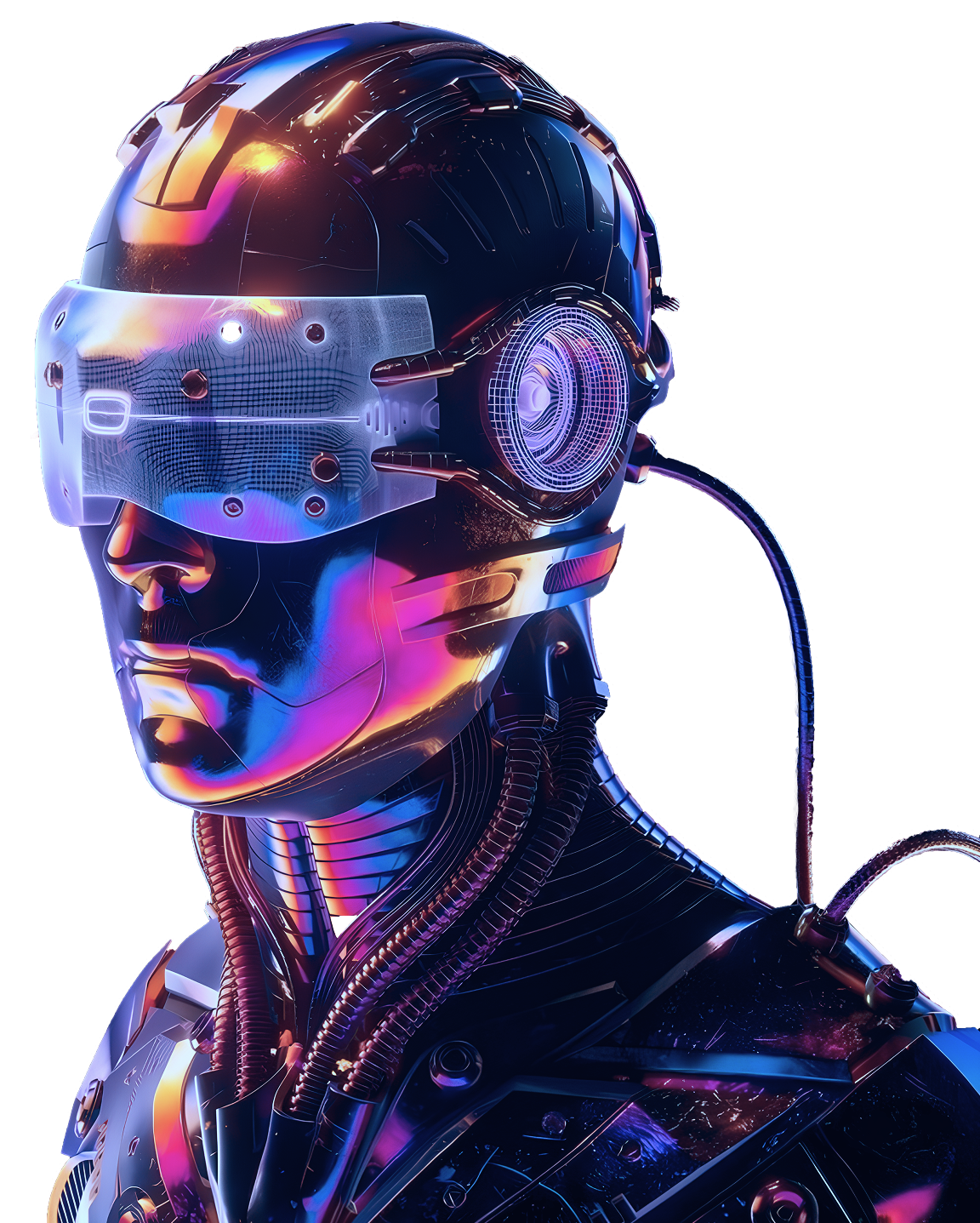
Medical Robotics Jobs

Medical robotics jobs focus on engineering robotic systems used in clinical and surgical settings, including robot-assisted surgery platforms, rehabilitation robotics, imaging-guided navigation, and hospital automation. At Rex.zone, this full-time remote role supports end-to-end medical robotics development: requirements definition, system architecture, controls and perception, verification and validation, and software quality processes aligned to safety-critical workflows. You will collaborate with cross-functional teams to improve robotic performance, reliability, and usability while meeting regulatory expectations for medical devices in the US market. Explore and apply through Rex.zone to work on real-world robotics systems that impact patient care.

Job Image

Job Overview

Keyword + Job Title: Medical Robotics Jobs — Medical Robotics Engineer Date: 25-02-2026 Company: Rexzone Country: US Remote Type: Remote Employment Type: FULL_TIME Experience Level: Mid-Senior Industry: Technology Job Function: Engineering Skills: Medical robotics, ROS 2, C++, Python, robot kinematics, robot dynamics, motion planning, perception, computer vision, sensor fusion, controls, SLAM, real-time systems, embedded Linux, safety-critical software, IEC 62304, ISO 13485, risk management, verification and validation, test automation Salary Currency: USD Salary Min: 63360 Salary Max: 126720 Pay Period: YEAR

About the Role

You will design, build, and validate medical robotics capabilities for clinical use cases, spanning software architecture, algorithms, and system integration. Work includes robot kinematics and motion control, perception pipelines for imaging or vision sensors, and robust fault handling in safety-critical environments. You will partner with product, QA, and hardware teams to translate clinical requirements into measurable engineering specifications and deliver verified features suitable for regulated device workflows.

Key Responsibilities

You will: define system and software requirements for medical robotics features; develop and maintain robotics software in C++/Python (often ROS 2); implement motion planning, control, and perception modules; integrate sensors (cameras, IMUs, encoders, force/torque) and perform calibration; build simulation and hardware-in-the-loop test setups; create verification and validation plans with traceability from requirements to tests; perform root-cause analysis on field issues and improve reliability; document design decisions to support audits and regulated development practices.

Required Qualifications

Mid-senior experience shipping robotics or safety-critical systems; strong C++ and Python for production robotics code; understanding of robot kinematics/dynamics, control theory, and motion planning; experience with perception, computer vision, or sensor fusion; familiarity with real-time constraints, embedded Linux, and debugging distributed systems; ability to write testable code with clear interfaces and maintainable documentation; comfort collaborating remotely across engineering, QA, and product stakeholders.

Preferred Qualifications

Experience with robot-assisted surgery, rehabilitation robotics, medical imaging integration, or navigation systems; ROS 2 advanced tooling (tf2, lifecycle nodes, QoS tuning); SLAM, tracking, or visual servoing; experience with IEC 62304, ISO 13485, ISO 14971 risk management, and design controls; CI/CD for robotics, test automation, and coverage metrics; exposure to cybersecurity considerations for connected medical devices.

Tools and Tech Stack

Typical stack includes ROS 2, C++, Python, Eigen, OpenCV, point cloud libraries, Linux, Docker, Git, and CI pipelines. Testing may involve simulation, log replay, hardware-in-the-loop, and automated regression suites. Documentation and traceability artifacts support verification and validation for safety-critical medical device development.

How Success Is Measured

Success is measured by: on-time delivery of validated robotics features; measurable improvements in motion accuracy, stability, and task completion rates; reduced defect escape through strong V&V and regression coverage; clear traceability from requirements to tests; robust handling of edge cases, sensor dropouts, and failure modes; maintainable, well-documented modules that enable safe iteration in regulated workflows.

Remote Work Expectations

This is a Remote, FULL_TIME role in the US. You will collaborate asynchronously and in scheduled overlap hours for design reviews, testing milestones, and cross-functional planning. Where hardware access is required, workflows may include remote lab access, log-based debugging, simulation-first validation, and coordinated integration windows.

Apply on Rex.zone

Apply through Rex.zone with a resume highlighting medical robotics, ROS 2, controls/perception experience, and examples of verification and validation in safety-critical environments. Include links to relevant publications, open-source contributions, or project portfolios that demonstrate production-quality engineering and test discipline.

Frequently Asked Questions

  • Q: What are medical robotics jobs?

    Medical robotics jobs involve engineering robotic systems used in healthcare, such as robot-assisted surgery, rehabilitation devices, imaging-guided navigation, and hospital automation. The work commonly spans robotics software, controls, perception, system integration, and verification and validation for safety-critical use.

  • Q: Is this role fully remote?

    Yes. The Remote Type is Remote and the position is FULL_TIME. Some work may rely on simulation, log analysis, and scheduled integration with shared hardware resources.

  • Q: What skills should align with medical robotics job postings?

    Common skills include ROS 2, C++, Python, kinematics, dynamics, motion planning, controls, perception/computer vision, sensor fusion, SLAM or tracking, real-time systems, embedded Linux, and safety-critical software practices including IEC 62304, ISO 13485, and verification and validation.

  • Q: What does verification and validation mean in medical robotics?

    Verification and validation (V&V) means proving the system meets its requirements and is fit for intended clinical use. This includes requirement traceability, risk-based testing, simulation and hardware-in-the-loop tests, regression automation, and documented evidence appropriate for regulated device workflows.

  • Q: Which industries hire for medical robotics jobs?

    Employers include medical device companies, surgical robotics firms, healthcare technology startups, robotics labs, and engineering teams building navigation, rehabilitation, or imaging-guided systems.

  • Q: How do I apply through Rex.zone?

    Use Rex.zone to submit your application with a resume tailored to medical robotics engineering, including evidence of robotics software delivery, testing rigor, and any regulated or safety-critical development experience.

230+Domains Covered
120K+PhD, Specialist, Experts Onboarded
50+Countries Represented

Industry-Leading Compensation

We believe exceptional intelligence deserves exceptional pay. Our platform consistently offers rates above the industry average, rewarding experts for their true value and real impact on frontier AI. Here, your expertise isn't just appreciated - it's properly compensated.

Work Remotely, Work Freely

No office. No commute. No constraints. Our fully remote workflow gives experts complete flexibility to work at their own pace, from any country, any time zone. You focus on meaningful tasks - we handle the rest.

Respect at the Core of Everything

AI trainers are the heart of our company. We treat every expert with trust, humanity, and genuine appreciation. From personalized support to transparent communication, we build long-term relationships rooted in respect and care.

Ready to Shape the Future of Engineering?

Apply Now.